
This post contains affiliate links. If you purchase through our links, we may earn a small commission at no extra cost to you.
The Recycling Mistakes Most People Never Realize They’re Making
That greasy pizza box you just tossed into recycling? It may have just contaminated an entire load. Grease soaks into cardboard fibers, making them impossible to process — and one wrong item can ruin a much larger batch of recyclables.
Here’s the uncomfortable truth: most recycling mistakes come from good intentions, not laziness. By the end of this guide, you’ll know exactly which recycling mistakes to stop making, which items never belong in your curbside bin, and how to build a simple home system that works every time.
- Recycle only clean, dry, accepted materials.
- Keep plastic bags, batteries, and electronics out of curbside bins.
- Greasy cardboard, foam, and most lined paper products don’t belong in household recycling.
- When you’re unsure, check your local rules or use Earth911.
Why Getting Recycling Right Actually Matters
Recycling only works when the right materials enter the right system. One contaminated item — food residue, plastic film, broken glass — can cause an entire load to be rejected.
The EPA highlights the environmental value of recycling, but that benefit only happens when materials are actually processed. Contaminated loads often get landfilled instead — erasing every good intention behind them.
This is why wish cycling is such a problem. Tossing something in because it feels recyclable doesn’t help if your local program can’t process it. The goal isn’t to recycle more things. It’s to recycle the right things correctly.
The 6 Recycling Mistakes Causing the Most Contamination
These are the errors that create the biggest problems at sorting facilities. If you’ve made any of them, you’re not alone — but now you can stop.
Mistake 1: Plastic Bags in the Curbside Bin
The problem: Plastic bags wrap around sorting machinery and cause expensive shutdowns.
The fix: Return bags to grocery store drop-off bins. Better yet, switch to reusable bags and eliminate the problem entirely.
→ Shop Reusable Grocery Bags (Eliminate the Problem)
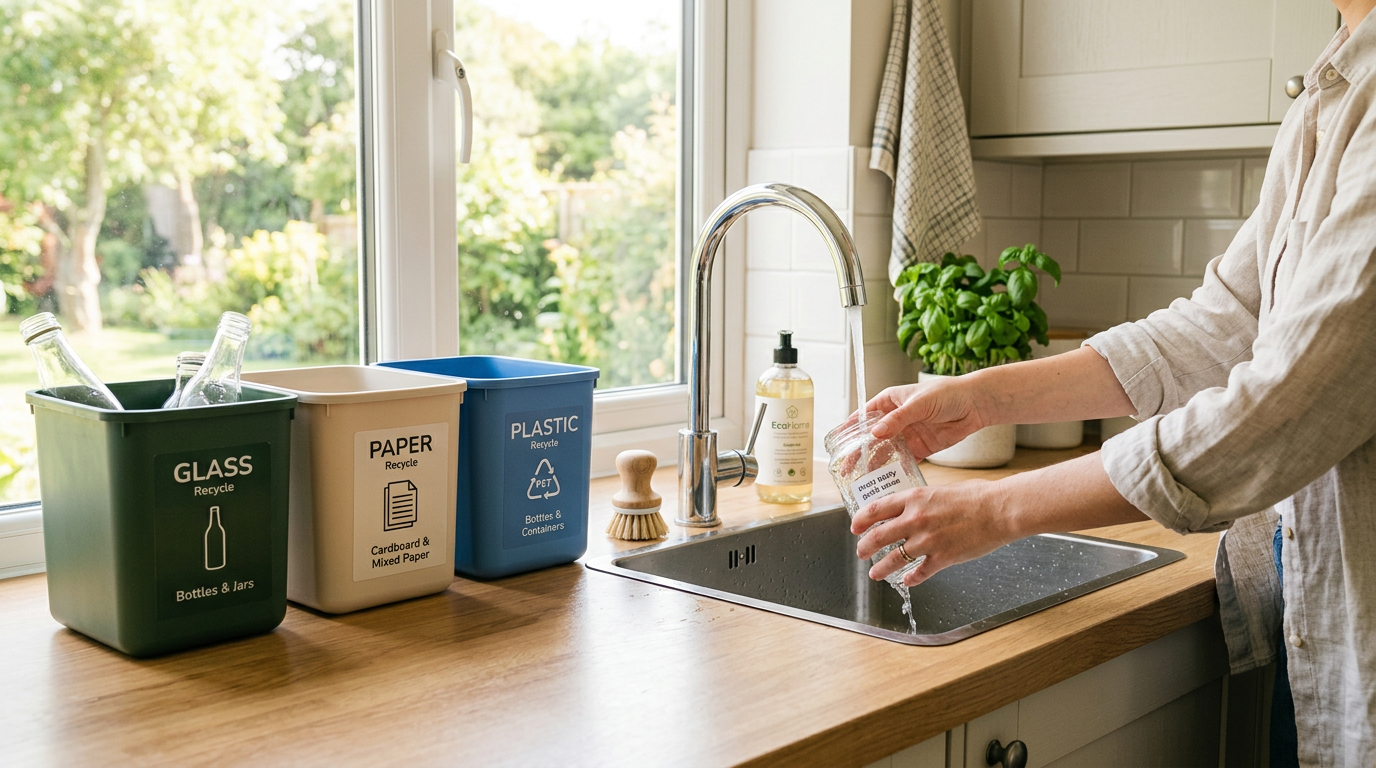
Mistake 2: Skipping the Rinse
The problem: Food residue contaminates paper and other recyclables during sorting.
The fix: Empty the container, give it a quick rinse, and let it dry. It doesn’t need to be spotless — just not greasy or food-coated.
Mistake 3: Tossing the Whole Pizza Box
The problem: Oil and grease soak into cardboard fibers, making them impossible to recycle.
The fix: Tear off and recycle the clean lid. Compost or trash the greasy bottom.
Mistake 4: Leaving Caps Off Bottles
The problem: Loose caps fall through sorting equipment and become contaminants.
The fix: Rinse the bottle, then screw the cap back on. Many programs now prefer this — confirm with your local rules.
Mistake 5: Loose Shredded Paper
The problem: Small paper pieces fall through sorting screens and mix into the wrong stream.
The fix: Place shredded paper in a sealed paper bag labeled “shredded paper” before recycling. Never use a plastic bag.
Mistake 6: Broken Glass in the Bin
The problem: Broken glass is dangerous for workers and contaminates other materials.
The fix: Recycle only whole, intact bottles and jars. Wrap broken glass securely and put it in the trash.
“One contaminated item can send an entire truckload of recyclables to the landfill — not because the system failed, but because of one honest mistake.”
What Goes in Your Curbside Bin — and What Doesn’t
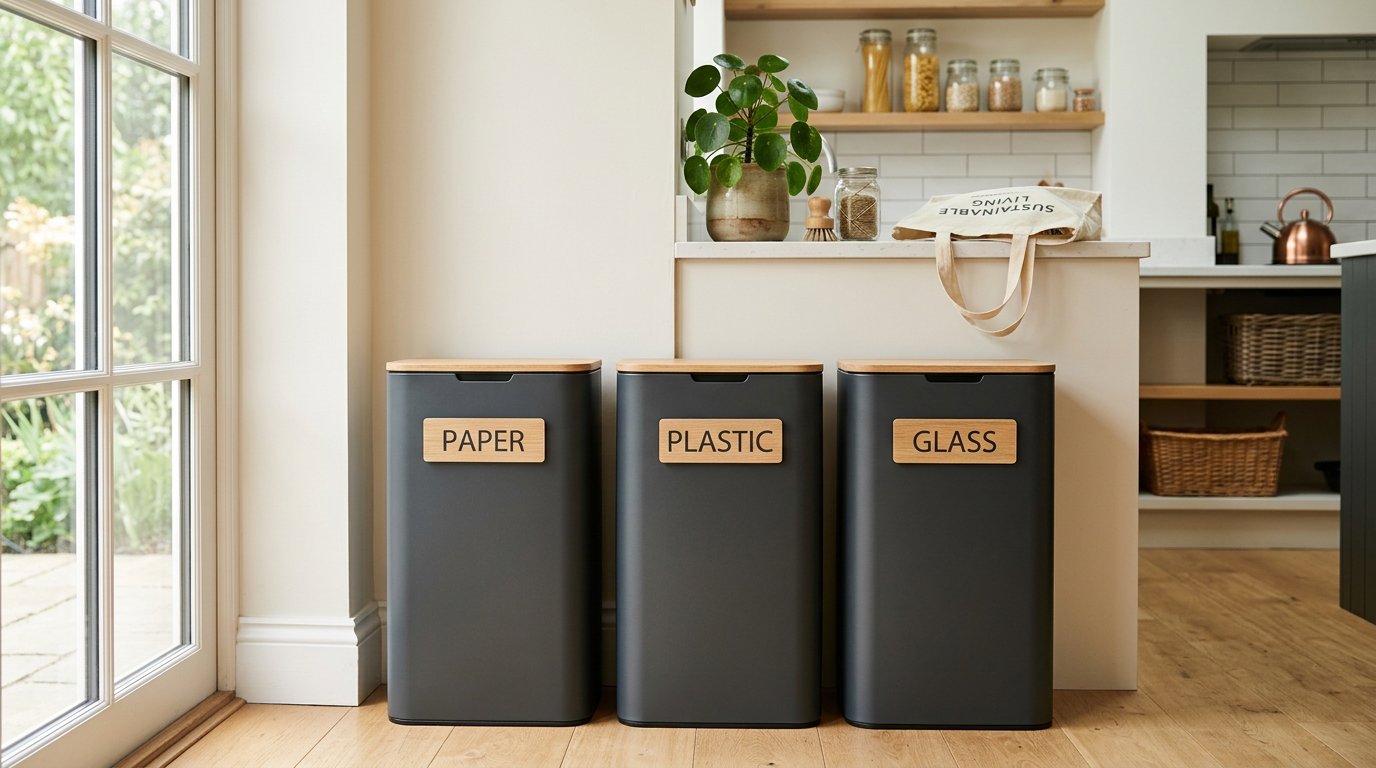
Rules vary by municipality, but this reflects what most U.S. single-stream programs accept. When in doubt, check your local program or use Earth911’s recycling locator.
| Item | Curbside Accepted? | Notes |
|---|---|---|
| Cardboard (clean, dry) | ✅ Yes | Flatten boxes; remove packing tape where possible. |
| Greasy cardboard (pizza box bottoms) | ❌ No | Compost or trash it instead. |
| Glass bottles and jars (whole) | ✅ Most programs | Rinse first; verify local acceptance. |
| Plastic bottles (#1 and #2) | ✅ Yes | Rinse; replace caps — preferred in many programs. |
| Plastic bags and film | ❌ No | Store drop-off only. |
| Plastic clamshells (#1 PET) | ⚠️ Varies | Accepted in some programs — check locally. |
| Aluminum cans | ✅ Yes | Rinse; crush only if your program allows. |
| Steel / tin cans | ✅ Yes | Rinse; remove labels when practical. |
| Paper (office, newspaper, magazines) | ✅ Yes | Keep dry. |
| Shredded paper (loose) | ❌ No | Bag it in a sealed paper bag labeled “shredded paper.” |
| Paper coffee cups | ❌ Most programs | Plastic lining makes them non-recyclable in most areas. |
| Styrofoam / EPS foam | ❌ No | Specialty drop-off only — check Earth911. |
| Batteries | ❌ No | Fire hazard — retailer or hazardous waste drop-off only. |
| Electronics | ❌ No | Use e-waste events or manufacturer take-back programs. |
| Plastic bags used for shredded paper | ❌ No | Use a paper bag instead. |
This is the part most recycling guides skip — and it’s the part that determines whether your efforts actually work.
What the Numbers on Plastic Actually Mean
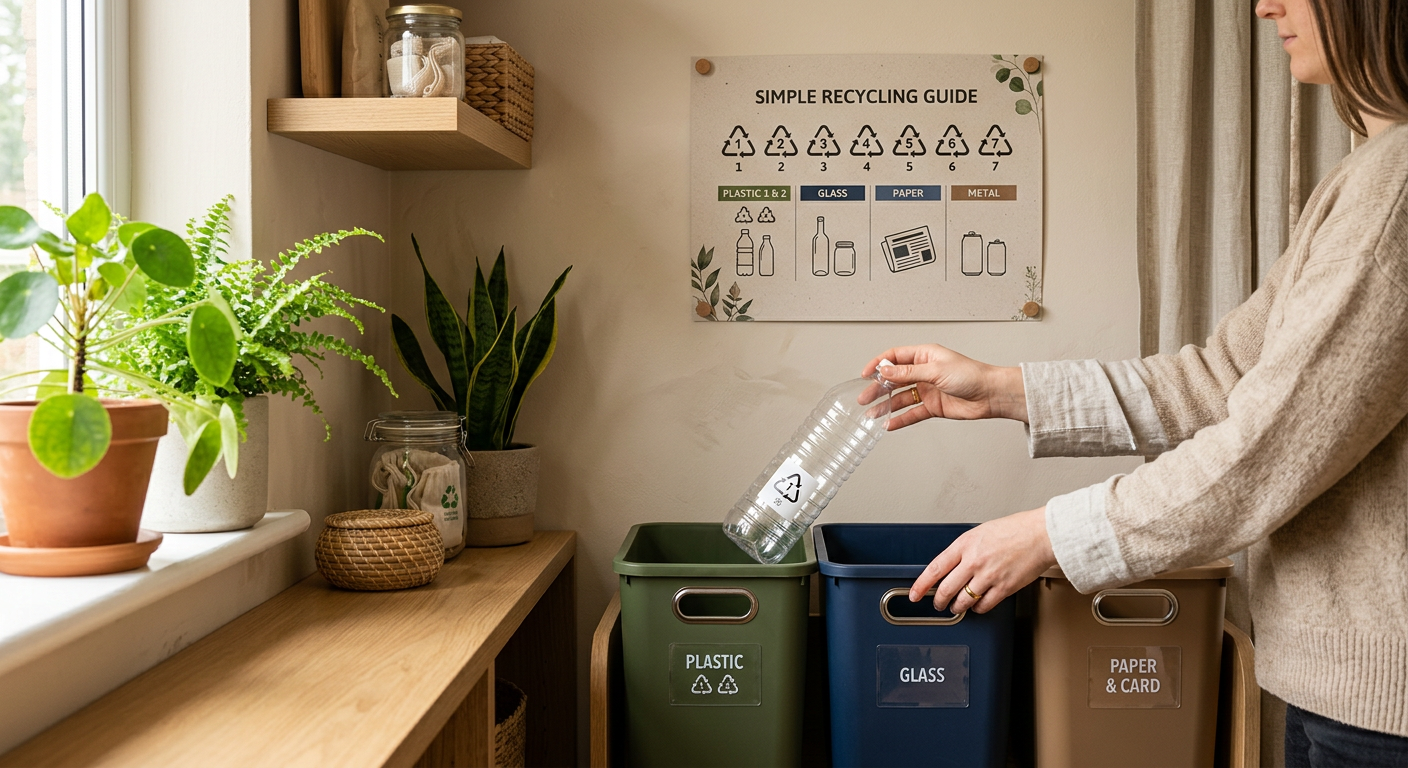
That number inside the recycling symbol tells you the resin type — not whether your local bin accepts it. Here’s the practical breakdown:
- #1 PET — Water bottles, soda bottles, some clamshells. Widely accepted.
- #2 HDPE — Milk jugs, shampoo bottles, detergent bottles. Widely accepted.
- #3 PVC — Rarely accepted curbside.
- #4 LDPE — Plastic bags and film. Store drop-off only.
- #5 PP — Yogurt tubs, caps, straws. Acceptance varies by program.
- #6 PS / Styrofoam — Rarely accepted curbside.
- #7 Other — Generally not recyclable curbside.
The easy shortcut: rigid bottles and jugs (#1 and #2) are almost always a safe bet. Bags, film, and foam almost never are.
Batteries, Electronics, and Plastic Bags: Handle These Separately
These items cause some of the most serious contamination and safety issues in recycling facilities. None of them belong in your curbside bin — ever.
Batteries
Lithium-ion batteries are a leading cause of fires at sorting facilities when crushed by machinery. No household battery belongs in a curbside bin — period.
Keep used batteries in a dedicated container. Drop them off at Home Depot, Lowe’s, Staples, Best Buy, or your local hazardous waste facility.
→ Shop Battery Recycling Storage Boxes
Electronics
Phones, tablets, laptops, and cables contain valuable metals and hazardous components. Never trash or bin them.
Use a manufacturer take-back program, a municipal e-waste event, or a Best Buy drop-off location near you.
Plastic Bags and Film
Bread bags, produce bags, zip-lock bags, and packaging film are recyclable — just not at the curb. Look for the “Store Drop-Off” label and take them to grocery store collection bins.
→ Shop Reusable Grocery Bags (Eliminate the Problem)
Styrofoam
EPS foam is not accepted in most curbside programs. Some municipalities offer special drop-off — check Earth911 before trashing it.
Medications
Unused medications should never go in recycling, and flushing is only recommended in limited cases. Use a pharmacy take-back program, police station drop box, or authorized collection event instead.
How to Build a Home Recycling System That Sticks
The best home recycling system is the one that removes friction. When the right choice is the easy choice, you’ll do it consistently — without thinking.
Step 1: Use a Dual-Compartment Bin
Side-by-side trash and recycling makes the decision fast and obvious. Label each side so nobody has to guess.
→ Shop Dual-Compartment Kitchen Recycling Bins
Step 2: Add a Countertop Compost Bin
Food scraps are one of the biggest sources of household waste. A compost bin keeps organics out of the trash — and makes a fast, visible difference in your weekly landfill volume.
For more kitchen-waste ideas, read our guide on how to start a zero-waste kitchen.
→ Shop Countertop Compost Bins
Step 3: Label Everything
Simple labels reduce guesswork for everyone in your home — kids, guests, partners who “mean well.” A visual reminder beats memory every time.
→ Shop Recycling Labels and Sorting Stickers
Step 4: Create a Triage Spot for Tricky Items
Keep a small box for batteries, plastic bags, old electronics, and medications. Once it fills up, make one trip to the right drop-off location. Simple, low-effort, effective.
Step 5: Check Your Local Rules — Once
Spend five minutes finding your municipal recycling guide. Screenshot it. Save it. Stop second-guessing what belongs in the bin.
“The best recycling system isn’t the most complicated one — it’s the one that makes the right choice impossible to avoid.”
10 Rules That Make Recycling at Home Easy
- Empty and rinse containers before recycling.
- Keep plastic bags out of curbside bins — always.
- Flatten cardboard boxes before putting them out.
- Keep paper dry — wet paper is unrecyclable.
- Never recycle greasy food packaging.
- Bag loose shredded paper in paper, not plastic.
- Never place batteries or electronics curbside.
- When in doubt, leave it out.
- Reduce waste before you recycle it.
- Check your local rules once a year — they change.
Programs That Handle What the Bin Can’t
Curbside recycling is just one layer. These programs handle the rest — and they’re easier to use than most people realize.
TerraCycle
TerraCycle runs free and brand-sponsored programs for hard-to-recycle materials: snack wrappers, beauty packaging, coffee pods, and more. Search by item at their site to find an active program near you.
Mail-Back Programs
Some brands offer take-back options for ink cartridges, worn clothing, and specialty packaging. If a product has a mail-back path, use it — it exists for a reason.
Store Collection Points
Many retailers collect batteries, printer cartridges, bulbs, and plastic film. For a broader locator, use Earth911.
Reduce Non-Recyclable Waste at the Source
The easiest waste to manage is the waste you never bring home. Swapping cling wrap for beeswax wraps, choosing simpler packaging, and bringing reusable bags can eliminate a surprising amount of household waste before it starts.
Our Top Picks for a Better Home Recycling Setup
These products make recycling at home easier because they reduce friction — not add to it. Every pick below solves a specific problem.
Keeps recycling and trash separate in one footprint. One of the single easiest upgrades you can make.
Diverts food scraps from landfill and reduces odor, mess, and weekly trash volume fast.
Clear labels remove guesswork for everyone in your home — no more “I wasn’t sure” excuses.
The simplest solution to plastic bag contamination? Stop generating plastic bags in the first place.
A reusable alternative to cling film that eliminates one of the most common non-recyclable kitchen items.
Keeps dead batteries contained and makes safe drop-off organized and easy.
Shred sensitive documents securely — then recycle them properly using the paper-bag method above.
Frequently Asked Questions About Recycling at Home
The biggest mistakes are putting plastic bags in the curbside bin, recycling dirty containers, wish cycling non-recyclable items, and placing batteries or electronics in household recycling. Each of these causes contamination or safety hazards at sorting facilities. To avoid them, rinse containers, bag shredded paper properly, and keep a separate triage box for drop-off items.
You can recycle the clean top of the box — but not the greasy bottom. Oil soaks into cardboard fibers and makes them unprocessable. Tear the box in half: recycle the clean lid, and compost or trash the greasy base. Some programs accept the whole box if contamination is minimal, so check your local rules.
The number inside the recycling symbol identifies the plastic resin type — not whether your program accepts it. Numbers #1 (PET) and #2 (HDPE) are the most widely accepted curbside plastics. Numbers #3, #6, and #7 are rarely accepted. Always verify with your local program before assuming a number means it’s recyclable.
Store them safely in a dedicated container, then drop them off at a retailer (Best Buy, Staples, Home Depot), a municipal hazardous waste facility, or an e-waste collection event. Use Earth911’s locator to find the nearest drop-off point for any item type.
Yes — wish cycling (putting something in the bin hoping it’s recyclable) is one of the leading causes of recycling contamination in the U.S. It feels like the right thing to do, but it often results in entire batches of good recyclables being sent to landfill. The rule is simple: when in doubt, leave it out.
Search your city or county name plus “recycling guidelines” — most municipalities publish a list. You can also use Earth911’s locator tool, which lets you search by material and zip code. Bookmark the page or screenshot it so you can check it in under 30 seconds next time you’re unsure.